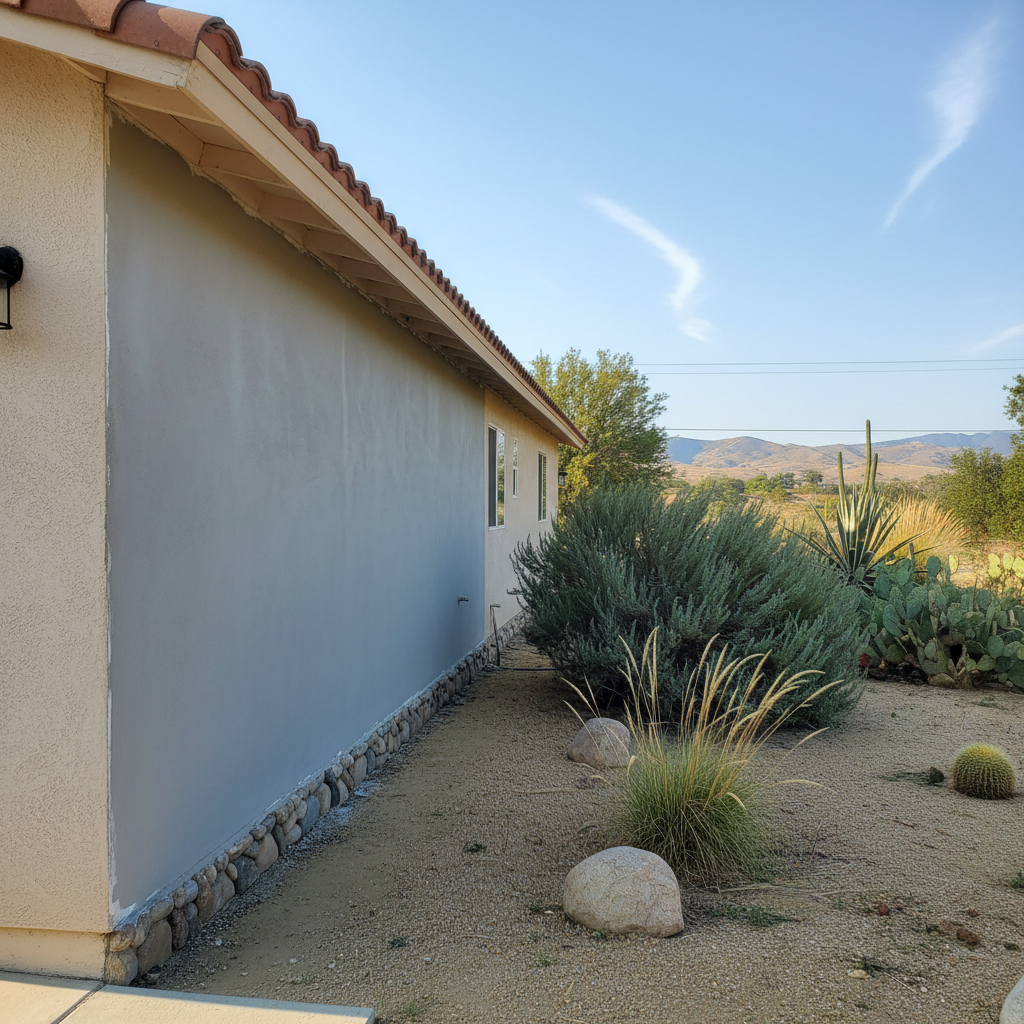
So, you've gone through the process of getting that old, cracked, or damaged stucco removed and replaced. Maybe it was a full re-stucco job, or maybe we just fixed up a section. Either way, you've made a solid investment in your home's look and protection. Now, you want to keep it looking good and performing its best for years to come, right? That's smart. A lot of folks think once the new stucco is up, they're done. Not quite. A little regular care goes a long way, especially with our Hemet weather.
Extending the Life of Your New Stucco
The biggest thing you can do to extend the life of your stucco, especially after removal and replacement, is to keep it clean and dry. Sounds simple, but it's often overlooked. Water is stucco's biggest enemy, and here in Hemet, while we don't get a ton of rain, when we do, it can come down hard. Plus, we deal with a lot of dust and sun.
- Keep Water Away: Make sure your sprinklers aren't constantly hitting the stucco. I see this all the time, especially on homes with older landscaping. Constant moisture can lead to algae, mildew, and eventually, breakdown of the finish. Redirect those sprinkler heads!
- Gutters and Downspouts: Are they clean and functioning? If water is overflowing and running down your walls, you're asking for trouble. Clean them out at least once a year, maybe more if you have a lot of trees around.
- Trim Plants: Any bushes or trees growing right up against the house? Give them some space. They trap moisture against the wall and can rub against the stucco, causing wear over time.
- Good Paint Job (if applicable): If your stucco is painted, a quality exterior paint acts as an extra layer of protection against the elements. Make sure it's a good breathable paint designed for stucco.
What Regular Maintenance Looks Like
You don't need to be out there every weekend, but a quick check-up a couple of times a year can save you a big headache down the road.
- Visual Inspection: Walk around your house. Really look at the stucco. Are there any new cracks? Discoloration? Is anything growing on it? Pay close attention to areas around windows, doors, and where different materials meet. These are often the first spots to show wear.
- Cleaning: For general dirt and dust, a gentle rinse with a garden hose is usually enough. For tougher spots, you can use a soft brush and a mild detergent solution. Just make sure to rinse thoroughly afterwards. Don't go crazy with a high-pressure washer; you can damage the stucco finish if you're not careful.
- Sealant Checks: Look at the caulk or sealant around windows, doors, and any penetrations like pipes or vents. Over time, the sun and temperature swings we get in Hemet (hot days, cooler nights) can make caulk dry out and crack. If you see gaps, it's time to re-caulk. This is a crucial step in keeping water out.
Warning Signs of Problems
Catching these early can prevent minor issues from becoming major, expensive repairs.
- Cracks: Hairline cracks are pretty common with stucco, especially as a house settles. But if you see cracks that are wider than a credit card, or if they're running in a spiderweb pattern, or if they're horizontal or diagonal and seem to be growing, that's a red flag.
- Discoloration or Stains: Dark streaks, especially under windows or near the roofline, often mean water is getting in somewhere. Green or black patches usually indicate algae or mold growth from consistent moisture.
- Bulges or Soft Spots: If you press on the stucco and it feels soft, or if you see areas that look like they're bulging out, that's a serious sign of water intrusion and damage to the substrate underneath. This needs immediate attention.
- Peeling Paint: If your stucco is painted and the paint is peeling or blistering, it could be a sign of moisture trapped behind the paint layer.
- Efflorescence: This looks like a white, powdery residue on the surface. It's caused by salts in the stucco or masonry leaching out due to moisture. It's a clear indicator of water problems.
When to Call a Professional
Look, I'm a big believer in DIY when it makes sense, but some things are best left to the pros. If you see any of those serious warning signs – wide cracks, bulges, persistent moisture stains, or soft spots – don't try to patch it yourself with some caulk. You could be masking a bigger problem that's causing structural damage.
You should also call us at Hemet Stucco & Plastering if you're not comfortable getting up on a ladder to inspect higher areas, or if you just want peace of mind. We can do a thorough inspection, identify the root cause of any issues, and make sure repairs are done right. Sometimes, what looks like a small crack on the surface is actually a symptom of a bigger underlying issue, especially with how our expansive clay soils here in Hemet can shift foundations over time. Getting an expert eye on it can save you a lot of money and stress in the long run.
Taking care of your stucco isn't rocket science, but it does require a little attention. A well-maintained stucco exterior not only protects your home but also keeps it looking sharp and holds its value. Don't let your investment go to waste!